Analysis of Earned Business Media
In reviewing Mattel’s media coverage over the last year, it’s clear the company is at a real turning point. On one hand, Hot Wheels is having an incredible, consistent success as the company’s most iconic brand. On the other, Mattel is simultaneously grappling with significant economic pressures and an internal shakeup. Looking at five major business outlets—The Washington Post, Reuters, Bloomberg, The Los Angeles Times, and Investopedia—you see a very distinct two-part story. Media sentiment for Hot Wheels is overwhelmingly positive, highlighting its steady growth and expanding consumer base. But this optimistic coverage is constantly being tempered by reports on Mattel’s wider corporate struggles, like the impact of tariffs, unpredictable retailer orders, and the weak performance of other brand categories such as Barbie.
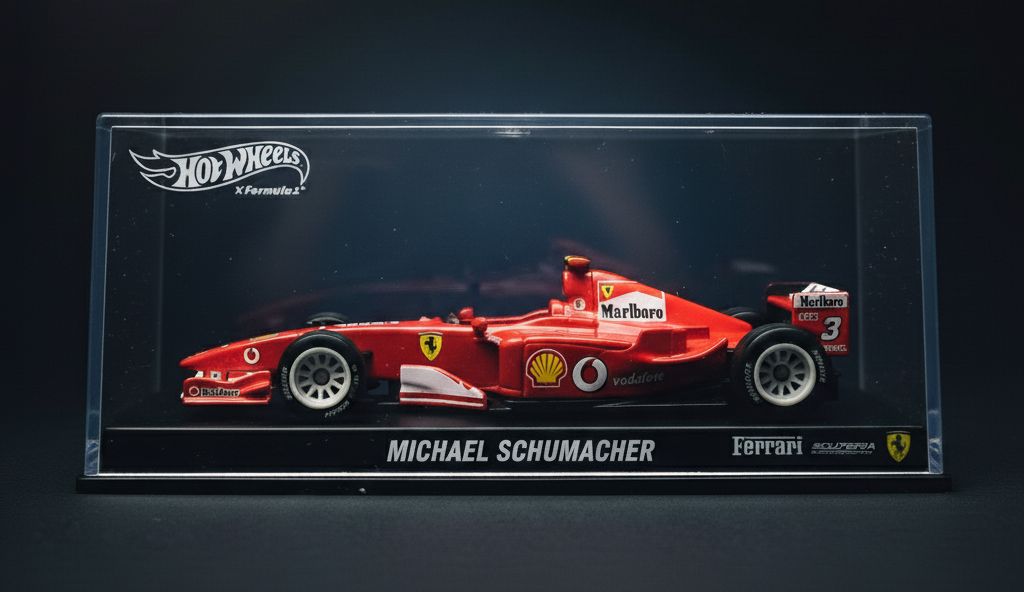
The reason for the good news is almost entirely because of Hot Wheels, which is essentially the company’s main engine for growth. The Washington Post emphasized this success, noting a 14% jump in Hot Wheels’ 2023 sales to $1.43 billion, crowning it “the best-selling toy in the world.” This story gets even bigger with the “kidult” consumer trend; The Los Angeles Times pointed out that adult collectors now account for a substantial chunk of sales.
This appeal across generations—which Mattel’s Roberto Stanichi mentioned is about one-third of global revenue—is a consistent theme, establishing Hot Wheels as more than just a kid’s toy but a multi-generational lifestyle brand. James Zahn of The Toy Book agreed, saying the brand “seamlessly ‘makes this jump from the toy department into the real world.’”
This positive energy was reinforced in Reuters’ coverage of Mattel’s holiday 2024 results, which beat expectations “benefiting from demand for its Hot Wheels vehicles,” leading to an “upbeat annual profit forecast” and a subsequent 15–18% stock rally. As UBS analyst Arpiné Kocharyan observed, investors had been “bracing for the eventual drop-off in sales… And yet it still grows.”
Conversely, the media tone shifts to negative when discussing Mattel’s overall product range and operational hurdles. Both Bloomberg and Reuters noted that even strong Hot Wheels sales were, at times, “not enough to offset lower demand for Barbie dolls.” This sense of imbalance was particularly obvious during reporting on Mattel’s third-quarter 2025 results, when Reuters reported the company “missed… estimates” and saw its stock drop due to “North America weakness,” as cautious retailers cut back on inventory orders.
Adding to this corporate strain, The Los Angeles Times reported on internal cost-cutting, including 120 layoffs in March 2025. This, combined with reports of pressure from activist investors to sell off underperforming divisions, clearly shows the significant stress Mattel is under. This negative outlook was cemented by analyst skepticism from people like Morgan Stanley’s Megan Clapp, who, discussing tariff-related price increases, cautioned, “We are also skeptical of the ability to pass through price increases in a category… where demand remains weak.”
In short, the overall media narrative for Mattel this past year is best described as one of “cautious optimism.” Hot Wheels is consistently portrayed as the company’s most reliable and valuable asset, successfully expanding its consumer base from kids to high-value adult collectors. However, this success doesn’t shield Mattel from serious external and internal challenges, including economic uncertainty, cost pressures from trade disputes, and the predictable downturns in other key brands. The main takeaway is this: while Hot Wheels gives Mattel a powerful boost, the company’s future success—and how the media talks about it—depend on its ability to handle the major problems that continue to worry market analysts.